Why Danish Design Feels Different
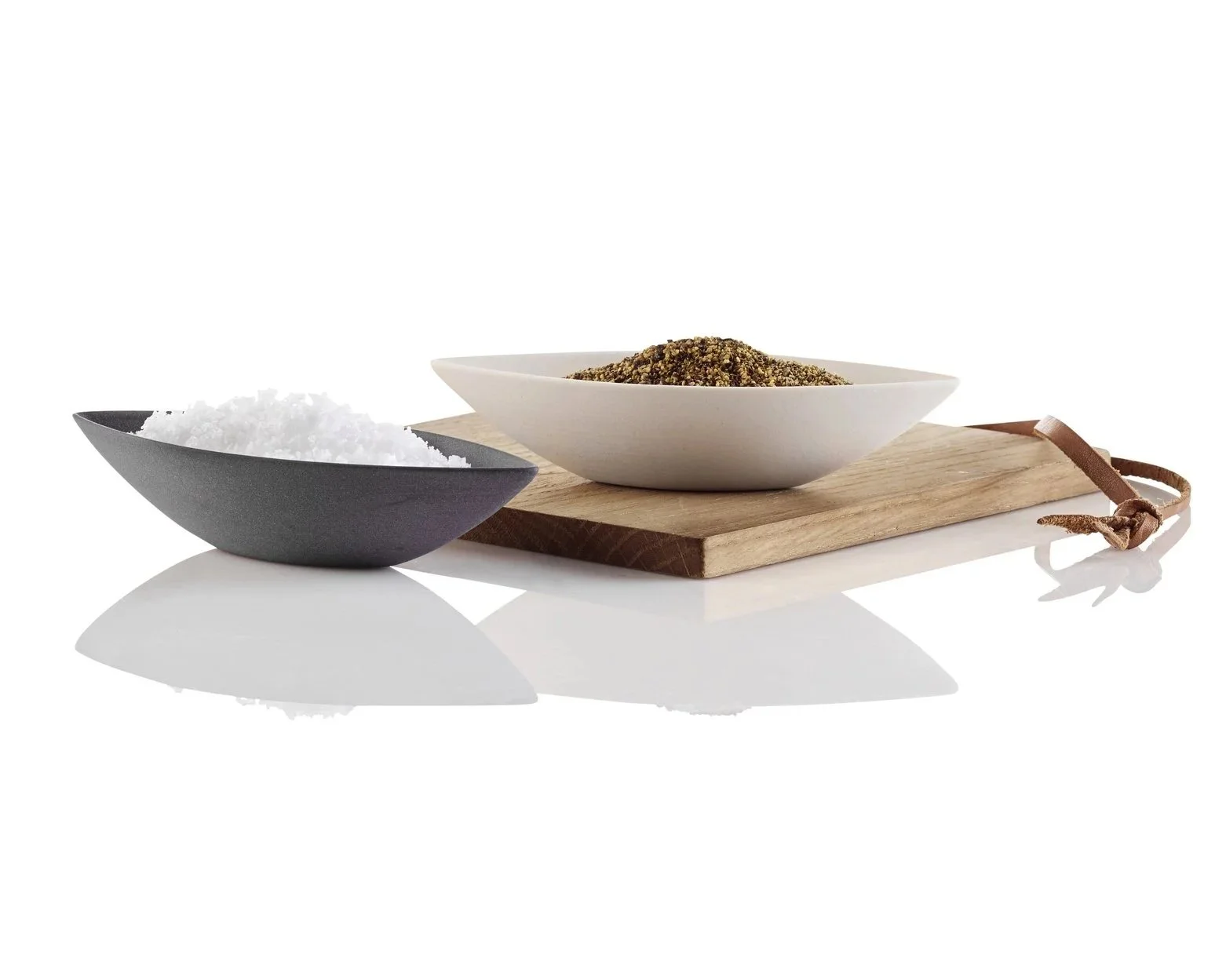
Danish design rarely tries to impress.
It doesn’t rely on ornament, or on standing out in a room. Instead, it draws its strength from something quieter - proportion, material, and a deep understanding of how objects are used in everyday life.
There’s a sense of restraint to it. A decision to leave things out, rather than add more in. Not as an aesthetic choice alone, but as a way of allowing space - for light, for movement, for the person using the object.
Function is always close at hand.
A cup is shaped to be held comfortably. A bowl sits just right on the table. A vessel is balanced, not only visually, but in weight and presence. These are small considerations, but over time they begin to matter.
What also sits within Danish design is a kind of continuity.
Many forms are not new. They’ve been refined slowly - adjusted, simplified, and carried forward. What we see today often holds traces of what came before, shaped into something that still feels relevant, but never forced.
There’s a quiet confidence in that.
A trust that something well made does not need to compete for attention. That it can exist alongside daily life without asking for more than it needs.
And perhaps that’s what makes it feel different.
Not because it stands apart, but because it fits so naturally into the spaces we live in. Supporting rather than interrupting. Lasting rather than changing.
Objects that don’t define a home - but help it feel more like one.